Can an older electrical panel support an EV charger?
Yes, an older electrical panel can often support an EV charger, but it depends on the panel's capacity, the existing load in your home, and the type of charger you plan to install. Many older panels have enough headroom for a dedicated circuit, especially if you choose a Level 2 charger with a moderate amperage rating. However, some panels may need an upgrade or a load management solution to safely handle the extra demand.
Understanding your panel's capacity
Every home has a main electrical panel that distributes power to circuits throughout the house. The panel has a maximum amperage rating, typically 100, 150, or 200 amps in older homes. A 100-amp panel was common in houses built before the 1980s, and it might already be near its limit if you have electric heating, an electric water heater, a range, a dryer, and central air conditioning. Adding a 50-amp dedicated circuit for an EV charger could push the total load over the panel's rating.
The key is to perform a load calculation. This involves adding up the electrical demands of all the appliances, lighting, and outlets in your home, then comparing that total to the panel's capacity. An electrician can do this quickly. If the calculated load leaves enough room for a new circuit, your older panel may work fine without any changes.
What a dedicated circuit means for an EV charger
A Level 2 charger requires a dedicated circuit, meaning that circuit serves only the charger and nothing else. The circuit breaker and wiring must match the charger's amperage draw. Most home EV chargers pull between 16 and 50 amps, with 30 to 40 amps being a common sweet spot for residential use. The dedicated circuit needs its own breaker slot in the panel and proper wiring, usually 6 or 8 AWG copper wire, run through conduit where required.
If your panel has no open breaker slots, you cannot simply add a new circuit. An electrician can sometimes install a tandem breaker (two breakers in one slot) to free up space, but that only works if the panel is designed for them. Otherwise, you may need a subpanel or a panel upgrade.

Load management as an alternative to upgrading
If your panel is near its limit but you do not want to replace it, load management devices can help. These systems monitor the total current draw of your home and automatically reduce the charging power when other large appliances are running. For example, if your air conditioner kicks on, the EV charger temporarily slows down so the panel stays within its safe limit. When the load drops, the charger ramps back up. This approach can allow a residential EV charger installation on a 100-amp panel that otherwise could not handle a fixed 40-amp circuit.
Load management is a practical solution for many older homes. It avoids the cost and disruption of a panel upgrade while still providing reliable overnight charging. The technology has become more common and is built into some EV chargers or available as an add-on module.
When a panel upgrade becomes necessary
Some older panels simply cannot support an EV charger without an upgrade. This is often the case with 60-amp panels found in very old homes, or 100-amp panels that already serve a large electrical load. Signs that an upgrade may be needed include frequent tripping of the main breaker, flickering lights when appliances turn on, or a panel that feels warm to the touch. If your panel uses fuses instead of circuit breakers, it is almost certainly too outdated for a modern Level 2 charger and should be replaced for safety reasons alone.
A panel upgrade involves replacing the main panel with a higher-capacity unit, typically 200 amps. This provides ample room for the EV charger and any future electrical needs, such as solar panels or a heat pump. The upgrade must be done by a licensed electrician and will require a permit and inspection. While it is a larger project, it also modernizes your home's electrical system and can improve safety and resale value.
Grounding and code requirements
Older panels may not meet current grounding and bonding requirements. The National Electrical Code (NEC) has updated standards over the years, and an EV charger installation must comply with the version adopted by your local jurisdiction. Proper grounding is essential for the safe operation of the charger and to protect against electrical faults. An electrician will check the grounding electrode system, the bonding of the neutral and ground in the main panel, and the condition of the grounding conductor. If your panel lacks an equipment grounding conductor or uses older wiring methods, the electrician may need to retrofit or upgrade those components.

Conduit and wiring considerations
Running a new circuit from the panel to the charger location often involves conduit, especially in unfinished spaces like garages or basements. The conduit protects the wiring and must be sized correctly for the number and gauge of conductors. Older homes may have less accessible routing paths, which can increase labor time. The electrician will determine the best route, considering obstacles like studs, joists, and other utilities. If the panel is located far from where you park, the wiring run can be longer and may require a larger wire gauge to prevent voltage drop.
Permits and inspections
Any residential EV charger installation that adds a new circuit requires a permit from your local building department. The permit ensures the work is inspected for compliance with the NEC and local codes. An older panel that is upgraded or modified will also be subject to inspection. The electrician should handle the permit process and schedule the inspection. Do not skip this step, as unpermitted work can create safety hazards and cause issues when you sell the home.
Choosing the right charger for your panel
If your older panel has limited capacity, you can still install a residential EV charger by selecting a model with a lower amperage rating. A 16-amp or 20-amp Level 2 charger adds far less load than a 40-amp unit and still charges most EVs overnight. Many modern chargers allow you to adjust the current draw via a setting or a dip switch, so you can start with a lower setting and increase it later if you upgrade the panel. This flexibility makes it easier to match the charger to your existing electrical infrastructure.
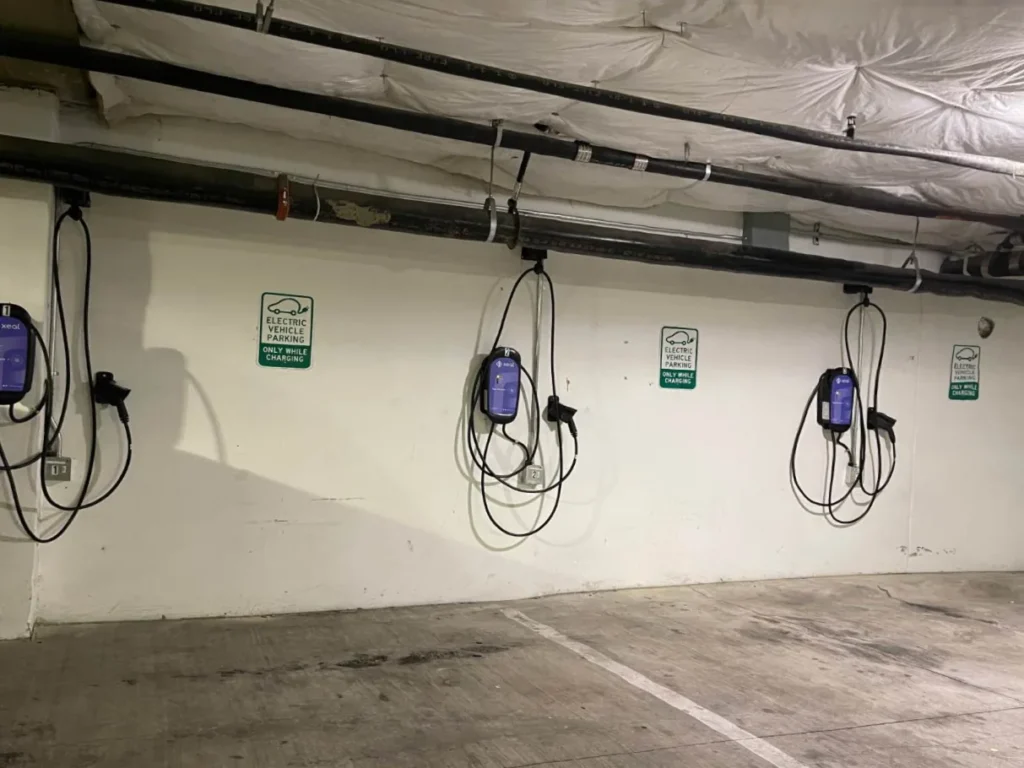
Another option is to use a charger that includes a load management feature as part of its design. These chargers communicate with a current sensor installed at the main panel and automatically adjust their power output. They are particularly useful for homes with 100-amp panels and high existing loads.
What to expect from the installation process
When you hire an electrician for a home EV charger installation, they will start by evaluating your panel and performing a load calculation. They will discuss the best charger type and amperage for your needs and your panel's capacity. If an upgrade is required, they will explain the options and provide a quote. The actual installation involves mounting the charger, running the dedicated circuit, connecting the breaker, and testing the system. The work typically takes a few hours to a full day, depending on the complexity. After installation, the electrician will walk you through how to use the charger and answer any questions.
An older electrical panel does not automatically rule out an EV charger. With a careful assessment, the right equipment, and professional installation, most homes can accommodate one. The key is to work with a qualified electrician who understands the specific demands of EV charging and the condition of older electrical systems.